Ad Iesum per Mariam · To Jesus through Mary
Χριστός
Christos
Rex Gloriae · King of Glory
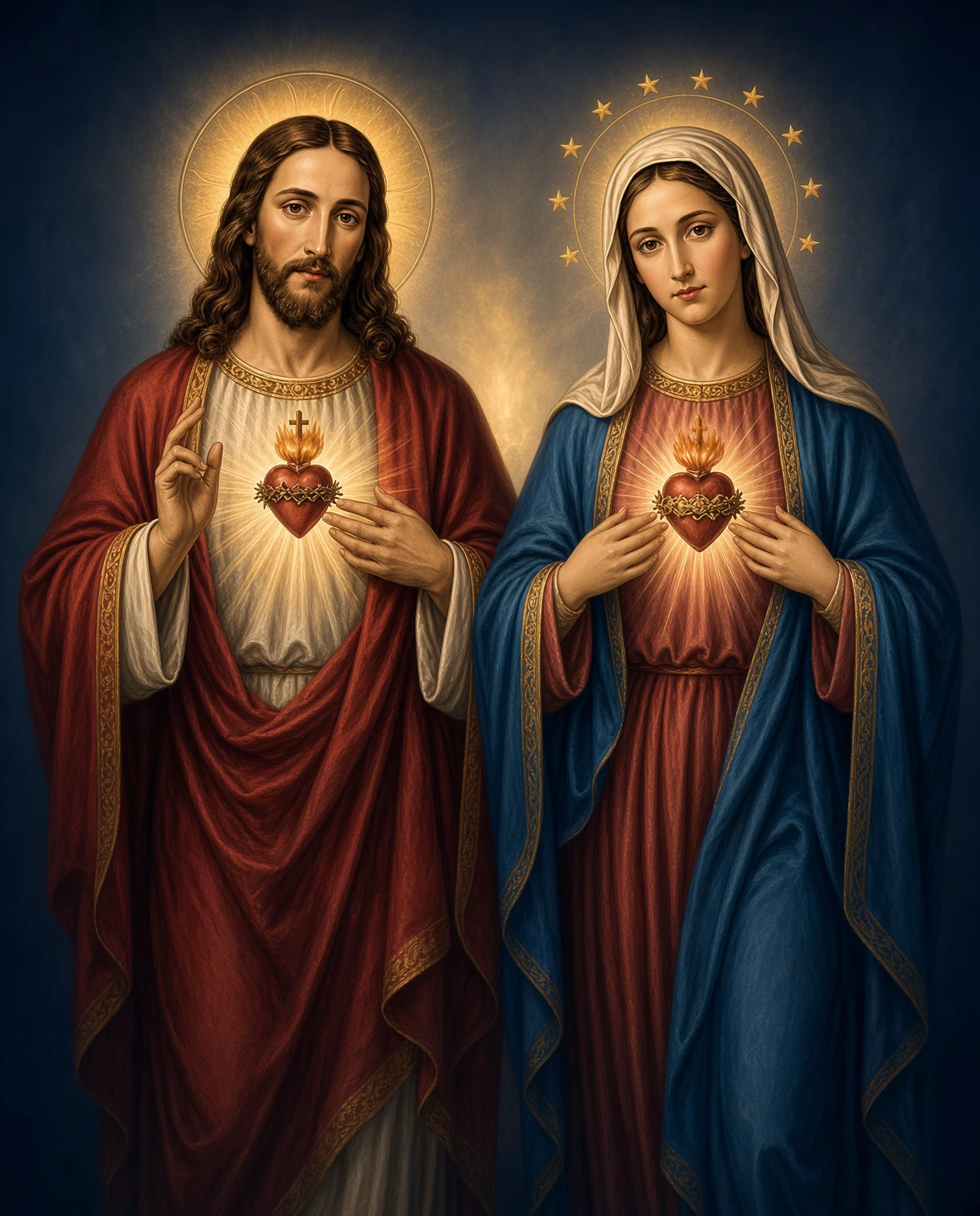
Every devotion to the Mother is for the sake of the Son. At Cana, Mary tells the servants, ‘Do whatever he tells you’ (John 2:5, NRSV-CE). This is the wing of her Son: his Heart, his Mercy, his Face, his Presence, and his reign.
“Do whatever he tells you.”
The Mother of Jesus, at Cana · John 2:5 · NRSV-CE
The Name · The Person · The Beauty
Christos — the Anointed One
Christos is Greek for “Anointed One”, translating the Hebrew title Messiah. It is not Jesus’ surname: it confesses the one anointed by the Holy Spirit as priest, prophet and king. The name Jesus means “God saves”. Together, these names announce his identity and mission: the eternal Son who truly becomes man to bring us to the Father.
Catechism §§430–440 · Jesus and ChristThe beauty of a love that gives everything
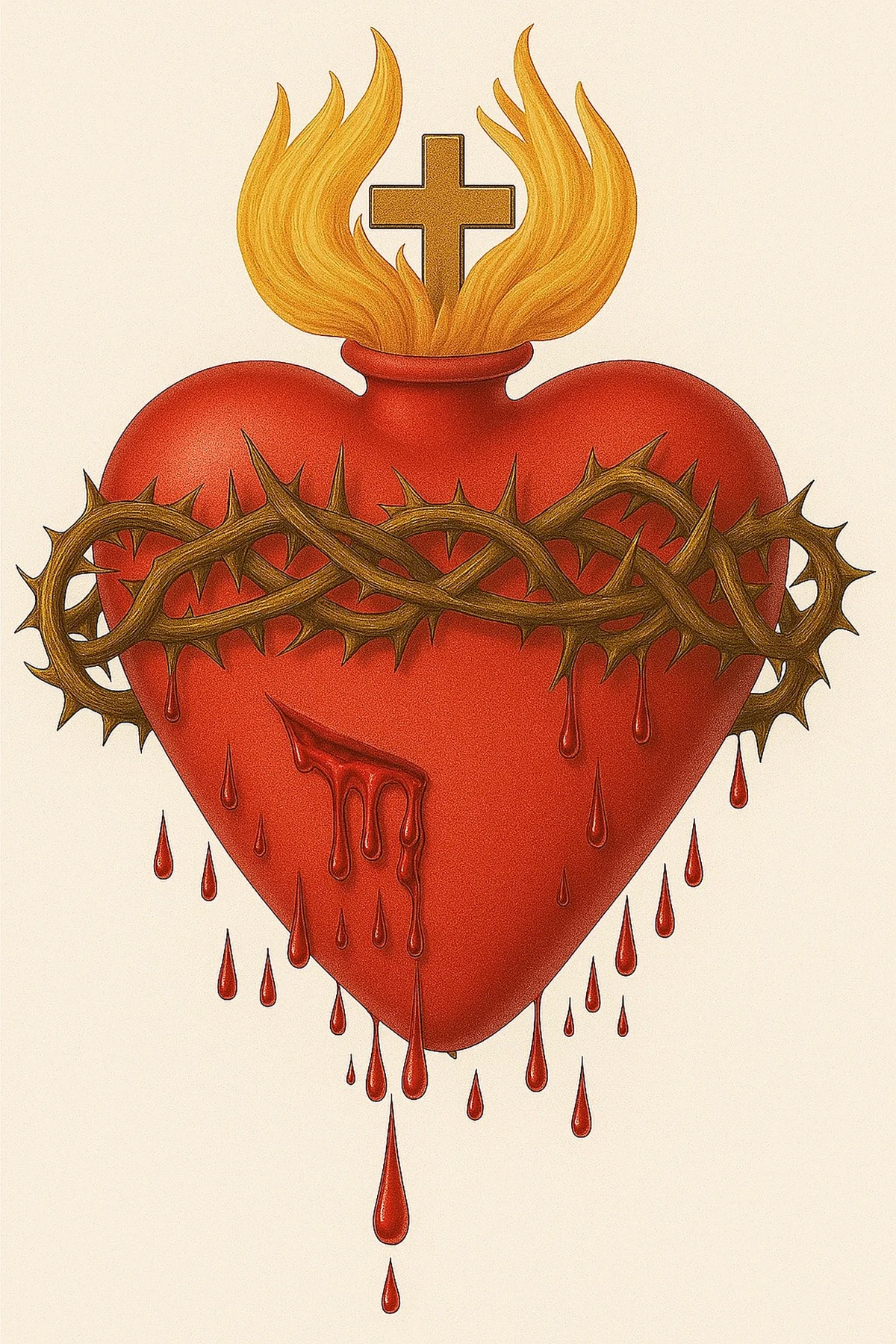
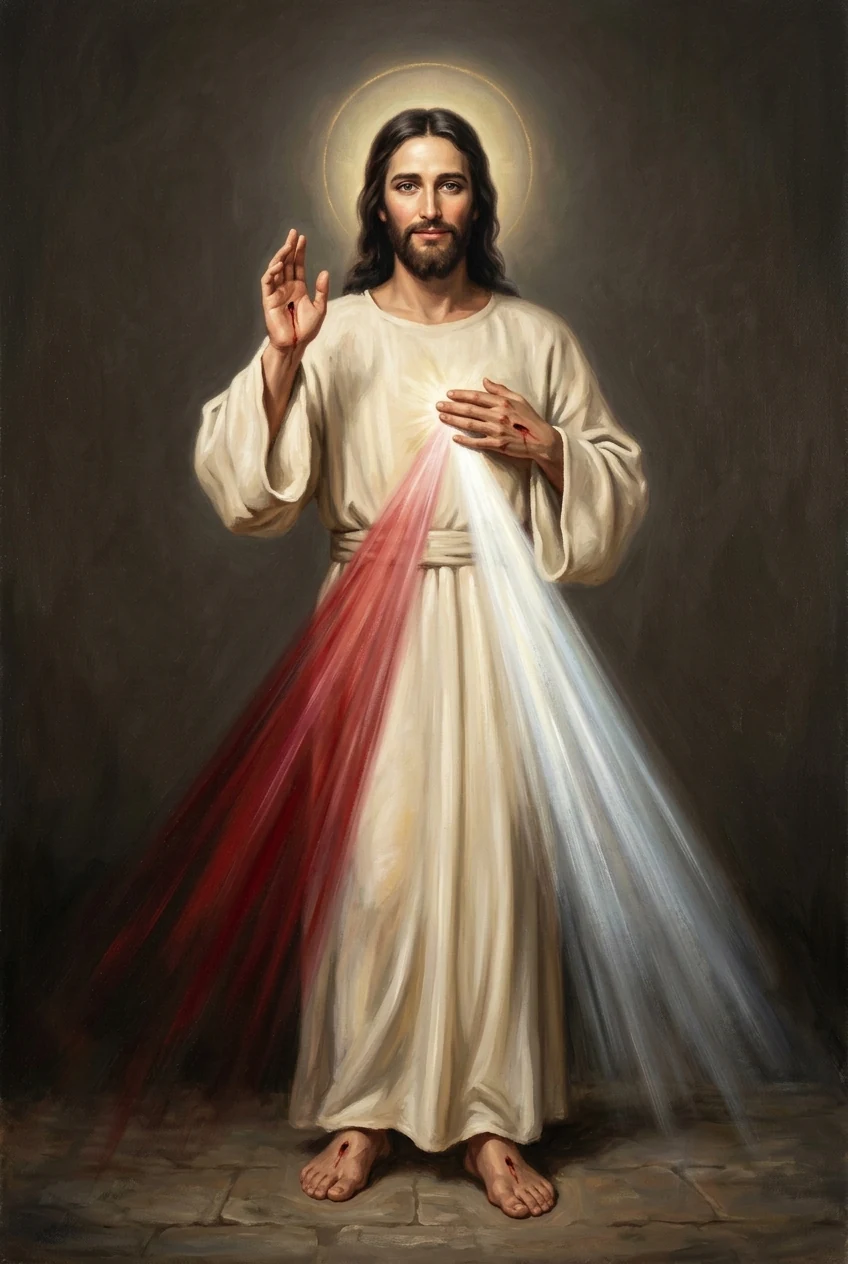
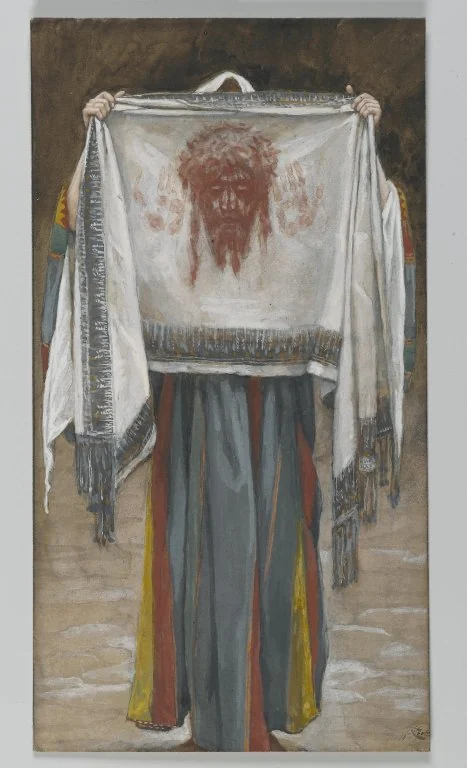
Christian tradition contemplates the fairest of men and the suffering servant whose appearance is marred. The two are one Lord. His beauty is not a claim about ideal physical proportions: it is the splendour of truth and the love that goes to the end. The pierced Heart, the merciful gaze and the risen body reveal a beauty that takes suffering seriously rather than turning away from it.
Joseph Ratzinger · The Contemplation of Beauty (2002)With the saints · East & West
“Too late did I love You, O Fairness, so ancient, and yet so new!”
For Augustine, conversion is the discovery that the Beauty he sought outside himself was already calling him into communion with God. Christ’s beauty draws us beyond possession into love.
“For He was made man that we might be made God.”
The Eastern language of divinization means sharing in God’s life by grace, not becoming another god by nature. Only the truly divine Son can give this participation in divine life.