
01 · Overview
The encounter at a glance
In 1830, Catherine Labouré was a young novice among the Daughters of Charity in Paris. The life before her was one of service, not public attention. Yet in the chapel at the Rue du Bac she reported encounters with Mary that would give the Church one of its most familiar devotional objects: the Miraculous Medal. The first encounter, during the night of 18–19 July, drew her toward the chapel and the altar, where she received consolation and a demanding mission.
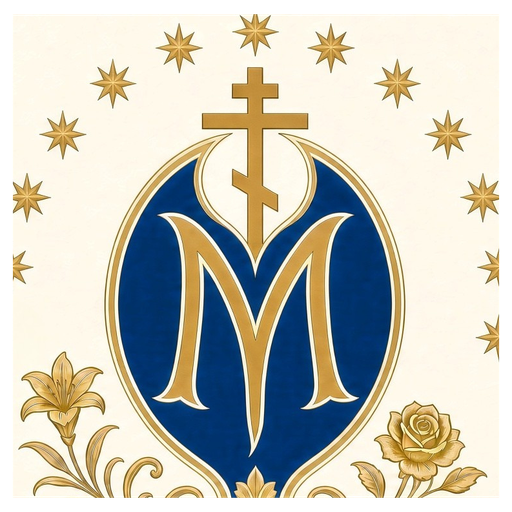
On 27 November, Catherine described a vision of Mary with rays streaming from her hands and an invocation surrounding her: ‘O Mary conceived without sin, pray for us who have recourse to you.’ This follows the Rue du Bac chapel’s English account of the November encounter. A medal was to be made according to the pattern she saw. Its reverse joined a cross and the letter M with the hearts of Jesus and Mary. After Catherine entrusted the account to her confessor, the medal was authorized and began to circulate in 1832.
Its beauty is a whole relationship expressed in something small enough to carry: Christ’s Cross, his mother’s intercession, and the invitation to ask for grace. It is not a charm or a guarantee against suffering. Catherine herself offers the clearest interpretation. She spent the ensuing decades caring for elderly people while her identity as the visionary remained largely hidden. The medal became famous; her daily answer to the encounter remained humble service.
Quoted wording
Rue du Bac chapel · the apparitions and Miraculous Medal · English account, 27 November 1830

